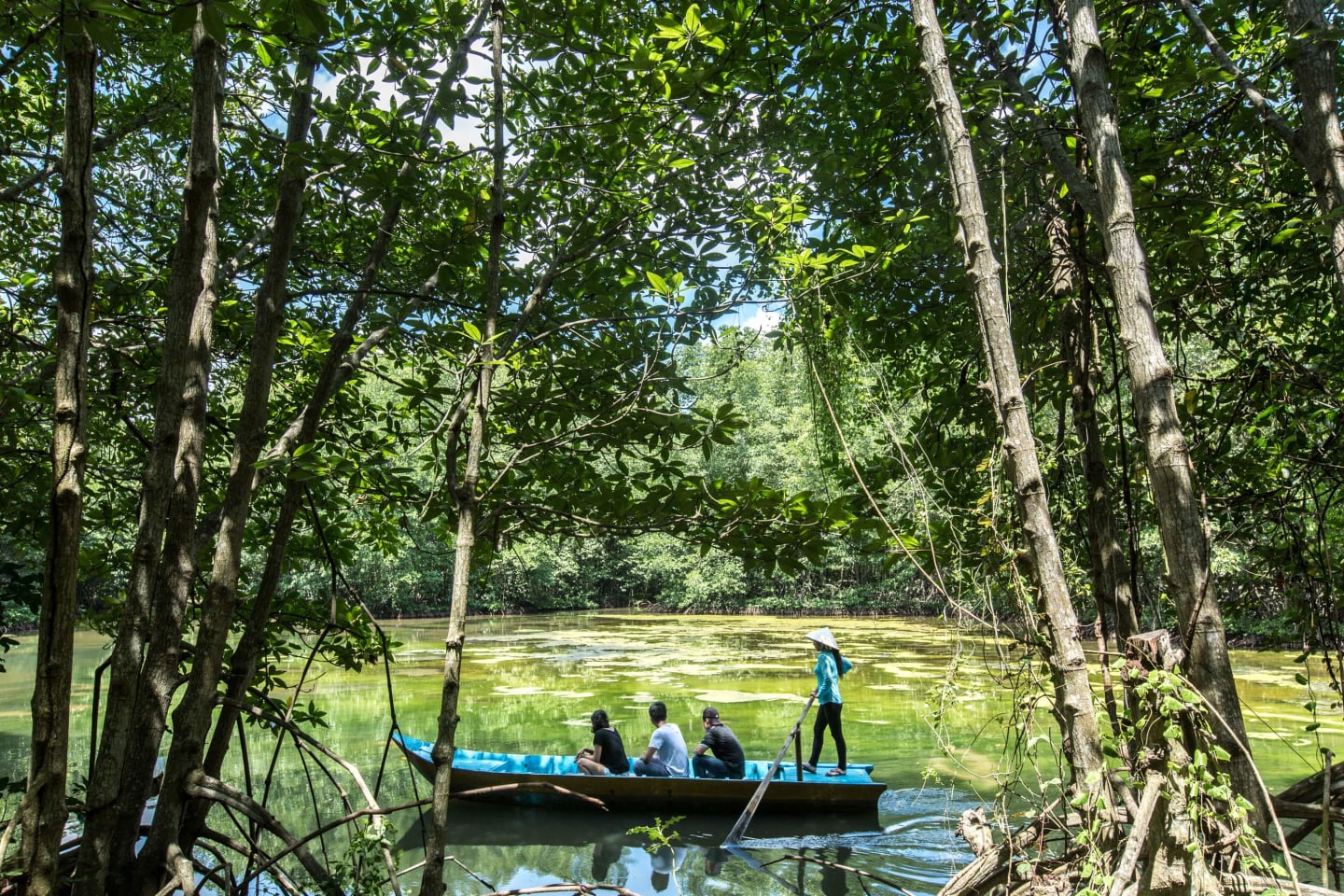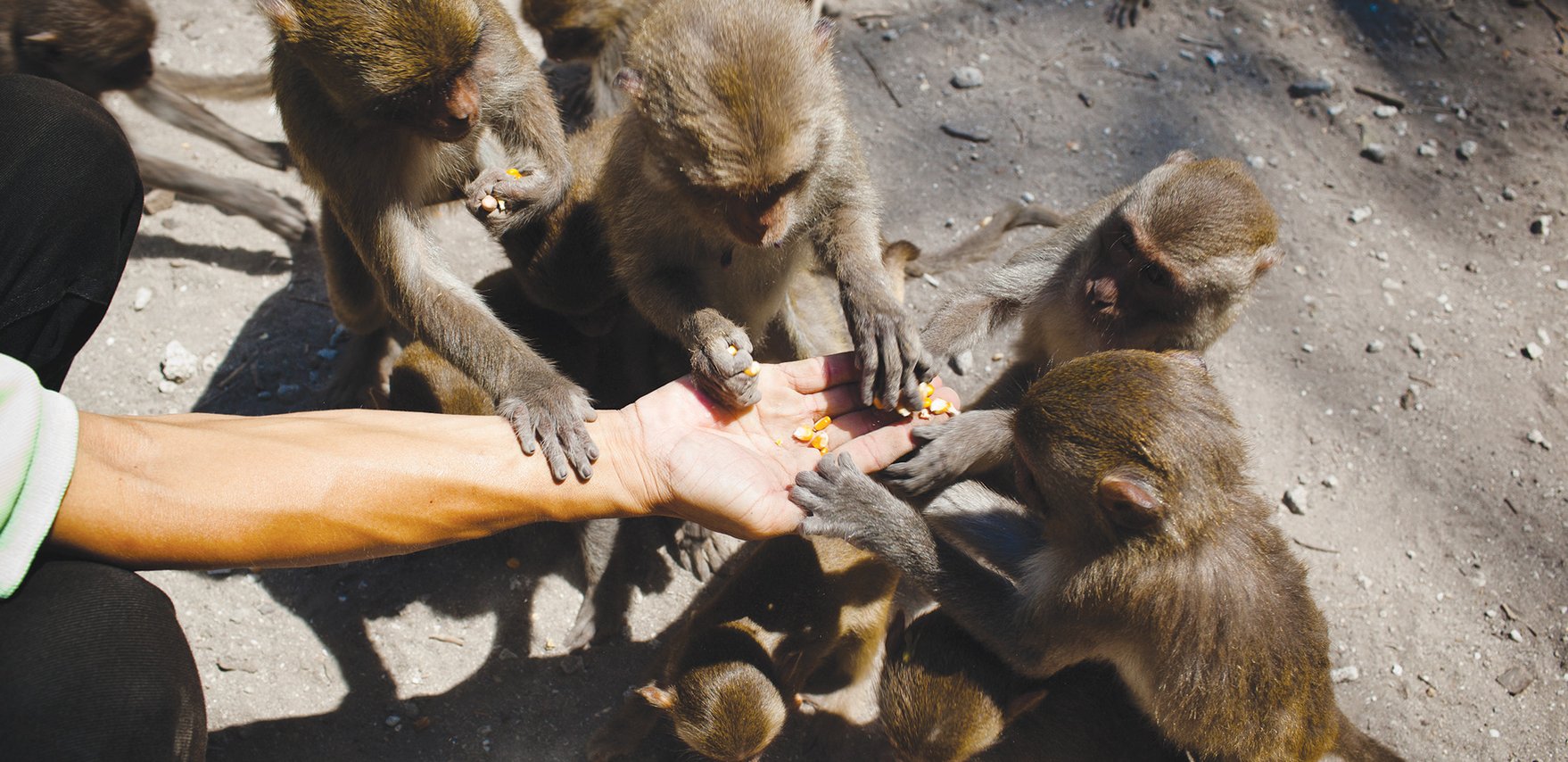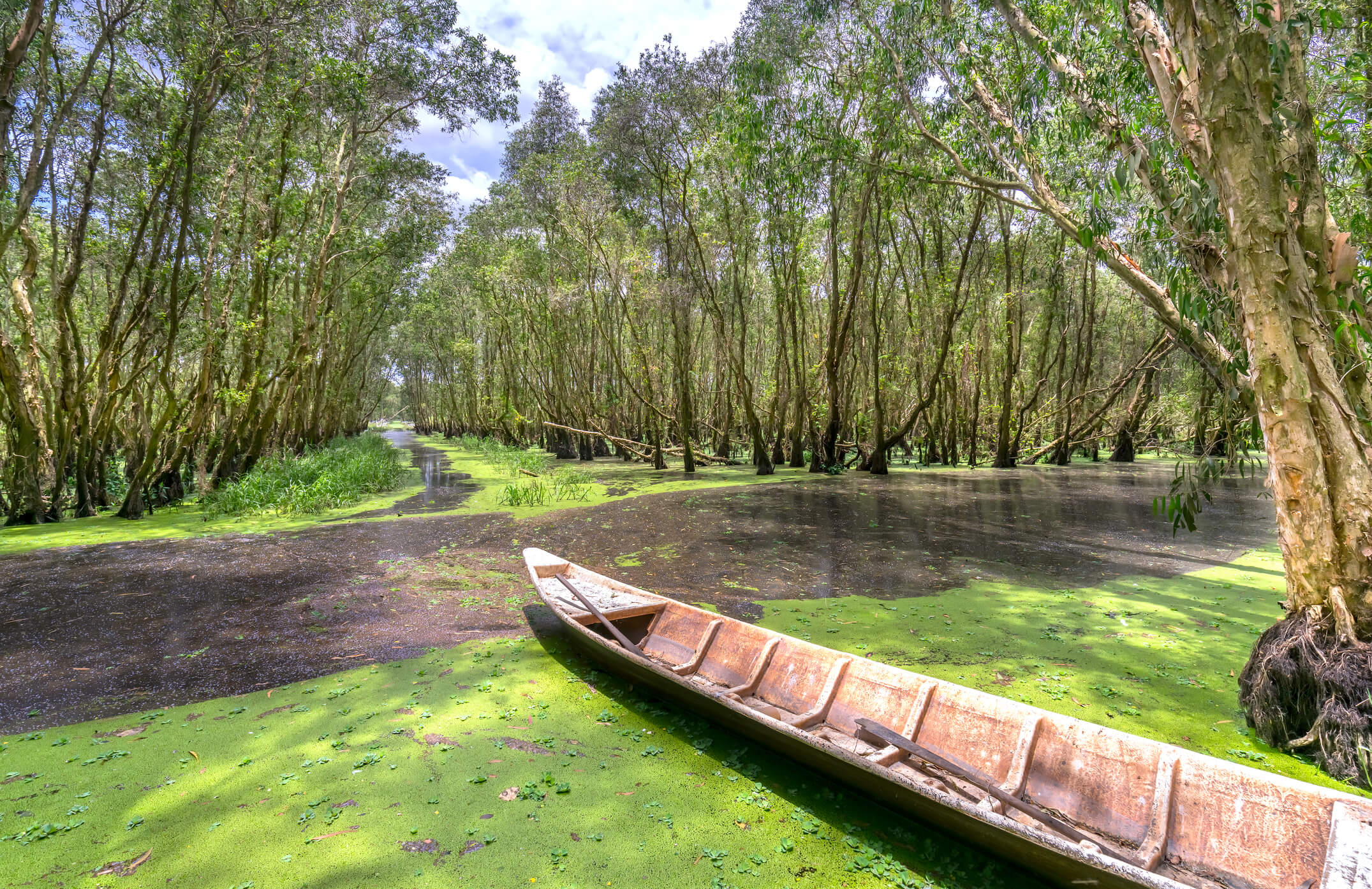
Location: The ecological forest of Can Gio is situated 50km away from downtown Ho Chi Minh City.
Characteristic: With an area of over 70,000 ha, of which 35,000 ha is salt-watered forest, Can Gio has been recognized as a biosphere reserve of the world by the United Nations Educational, Scientific and Cultural Organization (UNESCO).
Can Gio has been recognized as a biosphere reserve after evaluation of various aspects, including the people, ecology, environment and biosphere sustainability.
According to the Can Gio Forest Managing Board, at present more than 600 households with 1,500 people reside in this area. They live on reforestation, forest protection and aquatic production. In the early 1970's, the concept of "Biosphere reserve" was announced with the aim of protecting the species in danger of extinction. The biosphere reserves must preserve the samples of the ecological systems in the world, and work as a laboratory where research and observation of these ecological systems are undertaken. The reserve seeks measures to help the local people benefit from nature.
Before the construction of a 20 km-long road linking Binh Khanh wharf to Can Thanh, which runs along Can Gio to beach April 30, Can Gio was a remote area whose residents lived on catching crabs and mussels. Now it is an interesting eco-tourist site attracting many people from Ho Chi Minh City and other places.
Visitors could stay at the residential quarter April 30, adjacent to the beach or at Actmang quarter in the 2,100ha Lam Vien area with countless mangrove trees. Quite a few people like to hire hammocks and umbrellas to rest under the canopy of the trees.
The roots of the mangrove trees on the sides of the river twist with one another then spread out and root deep into the earth. It is these roots that make Can Gio a protective forest safeguarding millions of city dwellers, and an ideal ecological tourist site as well.
 Latest News
01/05/2026
When travelers think of Vietnam, names like Hanoi, Halong Bay, Hoi An, or Ho Chi Minh City often come to mind. These iconic destinations are popular for good reason. However, beyond the well-trodden routes lies another Vietnam — quieter, more authentic, and deeply connected to nature and local culture. For travelers who have already visited Vietnam or those seeking meaningful, off-the-beaten-path experiences, the country offers many lesser-known destinations that remain largely untouched by mass tourism. Here are some of Vietnam’s hidden gems worth discovering.
12/04/2025
Vietnam Airlines announced that starting May 17, 2025, all its domestic flight operations will be relocated to the newly opened Terminal T3 at Tan Son Nhat International Airport.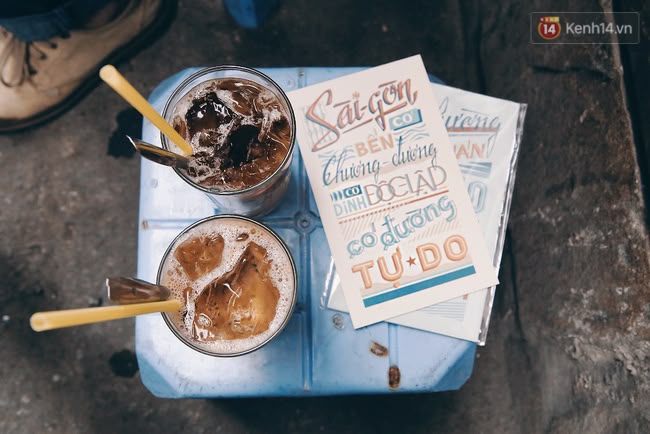
11/07/2025
In Vietnam, coffee is not merely a drink - it is a way of experiencing life. It is conversation, stillness, memory, rhythm, and a quite ritual that unfolds throughout the day. From the shaded sidewalks of Hanoi to the breezy riverside cafe in Saigon, coffee in Vietnam reflects the character of each region: refined, poetic, bold, and deeply personal. To travel through Vietnam is to follow the aroma of roasted beans, the whisper of coffee filters dripping slowly, and the soft clinking of glasses in morning life. Featured Tours