


Location: Quang Tri Citadel is situated in the central of Quang Tri Town.
Characteristics: Quang Tri Citadel was a military bastion and it was also an administrative head office of Nguyen Dynasty in Quang Tri Province (1809 -1945).
Quang Tri Citadel was built in 1824, during the 4th year of the reign of Minh Mang. The citadel is approximately 60km north of Hue.
The citadel had a style of Vauban architecture with its circuit of 2,160m – one door each side. There were four fortresses jutting out from each four corners to control the four citadel gates. Inside was the town palace surrounded by a system of thick walls with circuit of 400m. The town palace was a three-roomed house whose two wings were used as places for the King to worship, and to give promotions to his inferiors or to occasionally celebrate festivals. Outside the town palace, there were a flagpole and castles such as Tuan Vu, An Sat and Lanh Binh and a rice store, etc and under the French domination, soldier camp and tax agency were added. However there are no remains of the past there nowadays – due to the destruction of U.S bombs in the hot summer of 1972.
The incident of 81 days and nights (from June 28 to September 16, 1972) has made this citadel well-known all over the world. By using fire-power, the South Vietnam puppet troop was determined to re-occupy Quang Tri Citadel within a couple of days. Quang Tri Town, therefore, had to suffer from the U.S bombardment and shelling of 140 B52 aircraft in turn, more than 200 tactical planes, 12 – 16 fighter planes and cruisers. Within 40 days and nights it had suffered 80,000 tons of bombs – as many as that in the World War II in African battlefield within a month. Sometimes the number of bombs dropped in Quang Tri a day was far more than that on the whole South battlefield in the years of 1968-1969. Especially, on July 25, there were 5,000 shells fired at an area of 3km2 of Quang Tri and its vicinity once suffered 20,000 shells of big size a day. The US aggressors used bombs and shells with their destructive capacity, to destroy Quang Tri, equivalent to 7 atomic bombs they dropped onto Hiroshima and Nagasaki – Japan in 1945. It is, really, unbelievable that each inhabitant in this land had to suffer 7 tons of bombs averagely. All were determined, side by side with Quang Tri to fight to their last breath. The Northern people had saved everything such as: ammunition, food and etc. to send to Quang Tri.
The citadel has gone down in history as a glorious period of the nation’s war against foreign invasion. The Vietnamese people are proud of it, and foreigners admire it.
Looking at its walls riddled with bullet holes, visitors will feel how devastating the war was. In order to commemorate the soldiers’ meritorious service, a monument was set up in the centre of the citadel as a symbol of the indomitable spirit of the Quang Tri people and army and as a token of gratitude to the sacrifices of the fallen soldiers for the independence and freedom of the nation.
 Latest News
01/05/2026
When travelers think of Vietnam, names like Hanoi, Halong Bay, Hoi An, or Ho Chi Minh City often come to mind. These iconic destinations are popular for good reason. However, beyond the well-trodden routes lies another Vietnam — quieter, more authentic, and deeply connected to nature and local culture. For travelers who have already visited Vietnam or those seeking meaningful, off-the-beaten-path experiences, the country offers many lesser-known destinations that remain largely untouched by mass tourism. Here are some of Vietnam’s hidden gems worth discovering.
12/04/2025
Vietnam Airlines announced that starting May 17, 2025, all its domestic flight operations will be relocated to the newly opened Terminal T3 at Tan Son Nhat International Airport.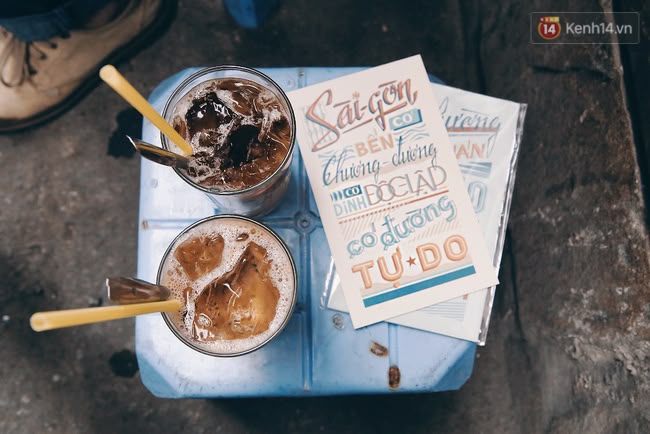
11/07/2025
In Vietnam, coffee is not merely a drink - it is a way of experiencing life. It is conversation, stillness, memory, rhythm, and a quite ritual that unfolds throughout the day. From the shaded sidewalks of Hanoi to the breezy riverside cafe in Saigon, coffee in Vietnam reflects the character of each region: refined, poetic, bold, and deeply personal. To travel through Vietnam is to follow the aroma of roasted beans, the whisper of coffee filters dripping slowly, and the soft clinking of glasses in morning life. Featured Tours
