


Area: 9,560 sq. km.
Population: 598.856 habitants (2019).
Capital: Dien Bien Phu City.
Administrative divisions:
- Town: Muong Lay
- Districts: Tua Chua, Tuan Giao, Dien Bien Dong, Muong Tra, Muong Nhe, Dien Bien.
Ethnic groups: Viet (Kinh), Thai, Mong, Dao, Giay.
Dien Bien Province is on the North - West Vietnam. It is next to Lai Chau, Son La provinces, Laos and China. The province has many mountains stretching along north-west and south-east direction. Muong Thanh Valley is largest one of this region. The topography includes forests, high mountains, narrow valleys, small plains, and springs.
Climate: Dien Bien is mountainous tropical area. There are the dry and the rainy seasons. The average temperature is about 210C- 230C.
Transportation
The network of road is convenient include:
- It takes 474km from Hanoi following National Highway No. 6 to Tuan Giao and then the 279 to Dien Bien Phu.
- It is 195km from Dien Bien Phu to Ma Lu Thang border gate (Lai Chau) following National Highway No. 12.- The National Highway No. 279 links Tuan Giao to Tay Trang border gate vise Dien Bien Phu.
Beside that, there is Muong Thanh Airport in Dien Bien Phu, connecting Ha Noi - Dien Bien Phu.
 Latest News
01/05/2026
When travelers think of Vietnam, names like Hanoi, Halong Bay, Hoi An, or Ho Chi Minh City often come to mind. These iconic destinations are popular for good reason. However, beyond the well-trodden routes lies another Vietnam — quieter, more authentic, and deeply connected to nature and local culture. For travelers who have already visited Vietnam or those seeking meaningful, off-the-beaten-path experiences, the country offers many lesser-known destinations that remain largely untouched by mass tourism. Here are some of Vietnam’s hidden gems worth discovering.
12/04/2025
Vietnam Airlines announced that starting May 17, 2025, all its domestic flight operations will be relocated to the newly opened Terminal T3 at Tan Son Nhat International Airport.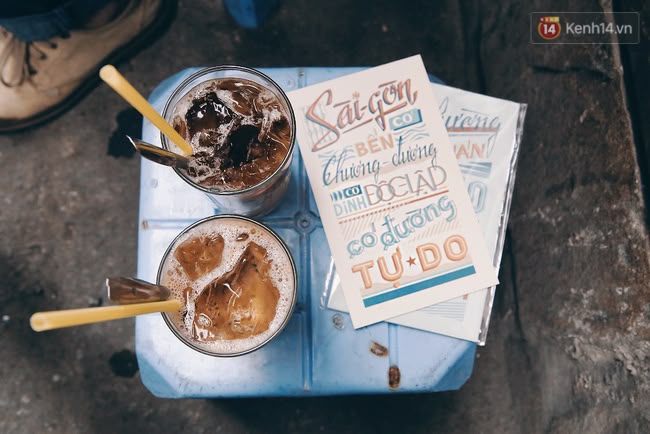
11/07/2025
In Vietnam, coffee is not merely a drink - it is a way of experiencing life. It is conversation, stillness, memory, rhythm, and a quite ritual that unfolds throughout the day. From the shaded sidewalks of Hanoi to the breezy riverside cafe in Saigon, coffee in Vietnam reflects the character of each region: refined, poetic, bold, and deeply personal. To travel through Vietnam is to follow the aroma of roasted beans, the whisper of coffee filters dripping slowly, and the soft clinking of glasses in morning life. Featured Tours

