Location: Located in and around the 20km-long valley of Dien Bien Phu.
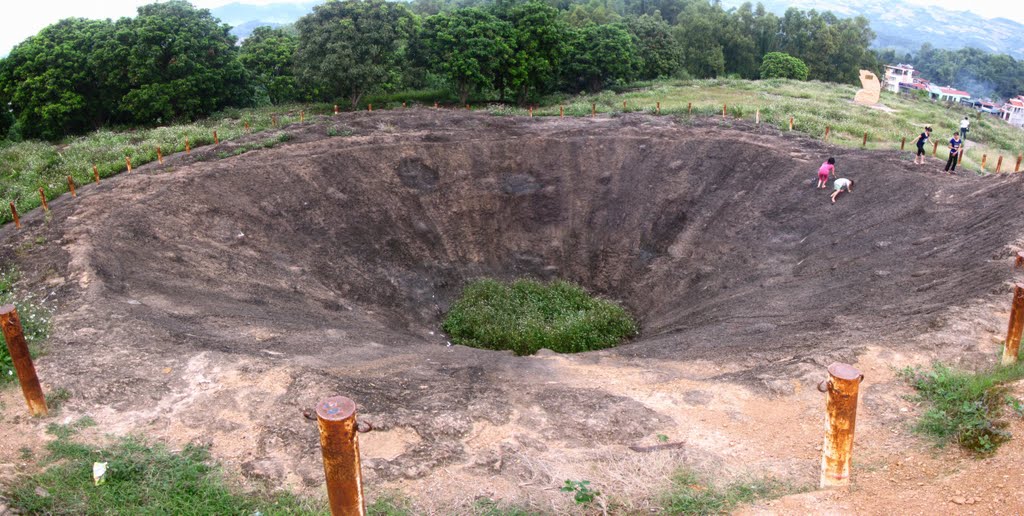
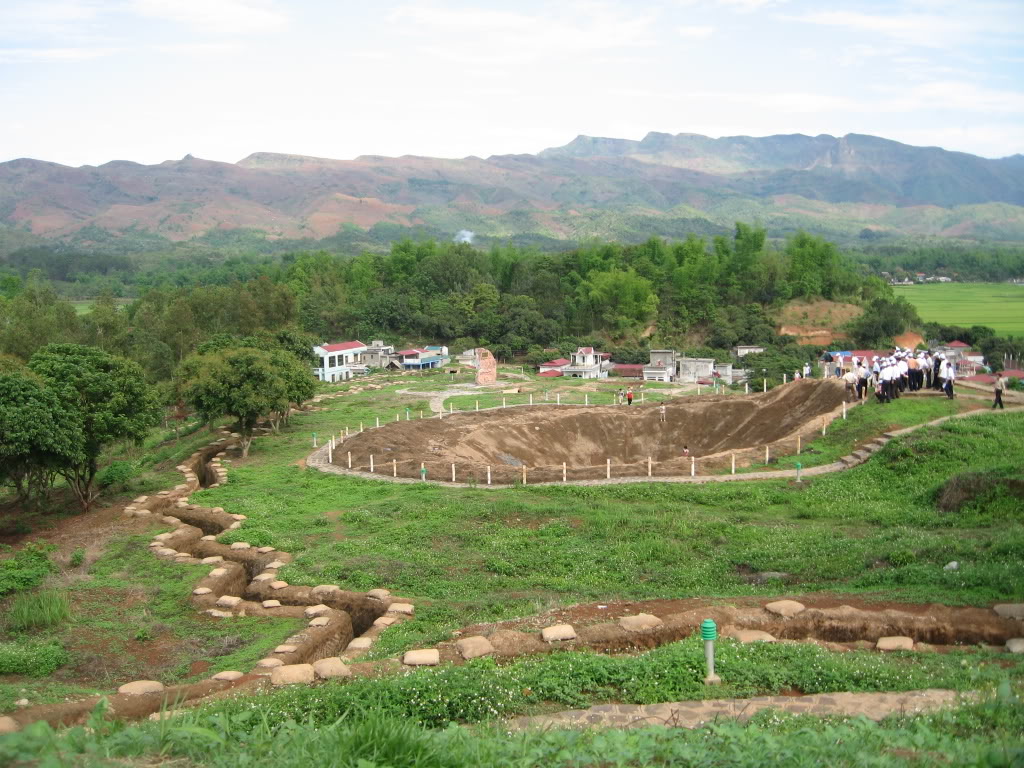
Characteristics: After the victorious battle of Dien Bien Phu in 1954, almost all historical sites of this battle lying to the east of the Muong Thanh Field have been preserved intact.
The valley of Dien Bien Phu was 18km long and 6-8 km wide when the Dien Bien Phu campaign began. To date, the valley spreads over 20km long. On November 20th, 1953, French paratroopers occupied the valley and built 49 strongholds in three sub-sections. Among these sites include artillery emplacements, remains of airplanes, Muong Thanh Bridge, the command bunker of De Castries, Hill A1 and the cemetery. Some 35km from the center of Dien Bien Phu City, in Muong Phang Commune lays the Command Post of General Vo Nguyen Giap.
Following are a list of recommended places to visit in Dien Bien
1. The Museum of Dien Bien Phu victorious battle: The museum houses a great deal of documents and objects relating to the 55-day arduous battle of Vietnamese soldiers and people to make the glorious victory of the whole nation in spring 1954. The museum exhibits its objects both indoors and outdoors.
2. The cemeteries in Hill A1 (644 tombs) and Doc Lap Hill (2432 tombs): This is the resting place of Vietnamese soldiers who sacrificed heroically in the Dien Bien Phu Campaign. In Hill A1 lie the tombs of heroic martyrs such as To Vinh Dien, Be Van Dan, Phan Dinh Giot and Tran Can.
3. Hill A1: This height stands block the way to the northeast sub-section. It has a significant role, controlling the whole battle of Dien Bien Phu. During 36 nights and days, the fierce battle claimed the lives of 2516 Vietnamese soldiers. Only until the night of May 6th, 1954 did Vietnamese soldiers win this decisive battle.
4. Muong Thanh Airfield: This was the stronghold 206 and the central airport of the entrenched camp of Dien Bien Phu. Currently this airport is renamed Dien Bien Phu and becomes one of the destinations in the flight system of the Vietnam Civil Aviation.
5. The Command bunker of the Dien Bien Phu entrenched camp: De Castries worked inside the bunker. The original shape and size, structure and arrangement of the bunker are kept intact.
6. Him Lam Hill: On March 13th, 1954, Vietnamese troops fought the first battle in Him Lam Hill, which is situated to the northwest of the valley.
7. Doc Lap Hill: Vietnamese troops liberated the hill on March 15th, 1954.
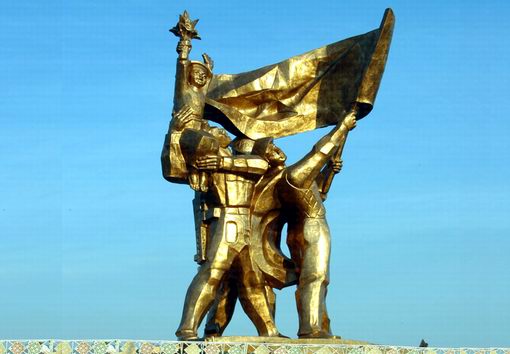
8. Hills C, D and E are well preserved. From afar, one can easily recognize the name of these hills. Atop D1 Hill stands the newly-erected Statue of Dien Bien Phu Victory.
9. The Command post of the Vietnamese soldiers from January 21st to May 8th, 1954: It is situated in a primitive forest in Muong Phang Commune. Here one will find the hut where General Vo Nguyen Giap worked and other huts for information and military operation discussion.
 Latest News
01/05/2026
When travelers think of Vietnam, names like Hanoi, Halong Bay, Hoi An, or Ho Chi Minh City often come to mind. These iconic destinations are popular for good reason. However, beyond the well-trodden routes lies another Vietnam — quieter, more authentic, and deeply connected to nature and local culture. For travelers who have already visited Vietnam or those seeking meaningful, off-the-beaten-path experiences, the country offers many lesser-known destinations that remain largely untouched by mass tourism. Here are some of Vietnam’s hidden gems worth discovering.
12/04/2025
Vietnam Airlines announced that starting May 17, 2025, all its domestic flight operations will be relocated to the newly opened Terminal T3 at Tan Son Nhat International Airport.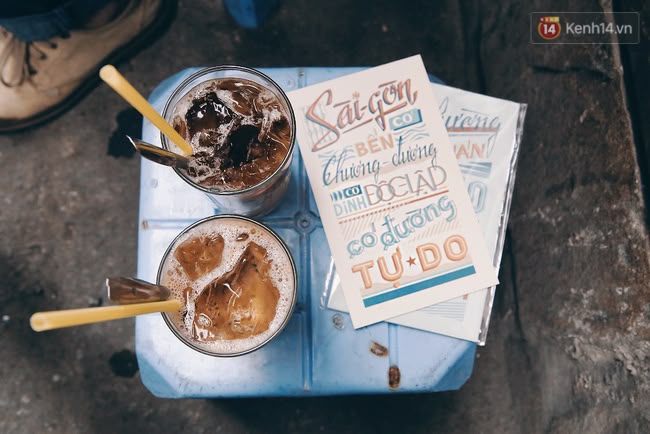
11/07/2025
In Vietnam, coffee is not merely a drink - it is a way of experiencing life. It is conversation, stillness, memory, rhythm, and a quite ritual that unfolds throughout the day. From the shaded sidewalks of Hanoi to the breezy riverside cafe in Saigon, coffee in Vietnam reflects the character of each region: refined, poetic, bold, and deeply personal. To travel through Vietnam is to follow the aroma of roasted beans, the whisper of coffee filters dripping slowly, and the soft clinking of glasses in morning life. Featured Tours